Paddock Slashing Mullumbimby & Surrounds

Grass Slashing in Mullumbimby and Surrounding Areas – Branson’s Rural Services

Grass slashing is an essential service for landowners in Mullumbimby and the surrounding areas, and Branson’s Rural Services is proud to offer professional and reliable slashing solutions for properties of all sizes. Whether you’re maintaining a rural property, managing pastures, or simply tidying up your yard, regular grass slashing can make a significant difference in both the appearance and health of your land.

In Mullumbimby, where the climate can encourage rapid grass growth, grass slashing is crucial for controlling overgrowth and ensuring safe, accessible areas on your property. Overgrown grass can become a fire risk, attract pests, and inhibit the growth of desirable vegetation. Slashing regularly helps reduce these risks, keeping your land both safe and manageable.

Branson’s Rural Services uses advanced slashing equipment designed to handle the varied terrain of Mullumbimby and the surrounding regions. From hillsides to flat paddocks, our experienced team can tackle any job with precision and care. Our grass slashing services not only improve the aesthetic appeal of your property but also promote better land health, allowing your pastures to thrive. We can also utilise our FAE forestry mulcher for areas with regrowth and weeds plus with rocky terrain.

If you’re looking for top-quality grass slashing in Mullumbimby, trust Branson’s Rural Services. Contact us today to schedule a slashing appointment and ensure your property is always looking its best.
Considerations about building a dam on your property

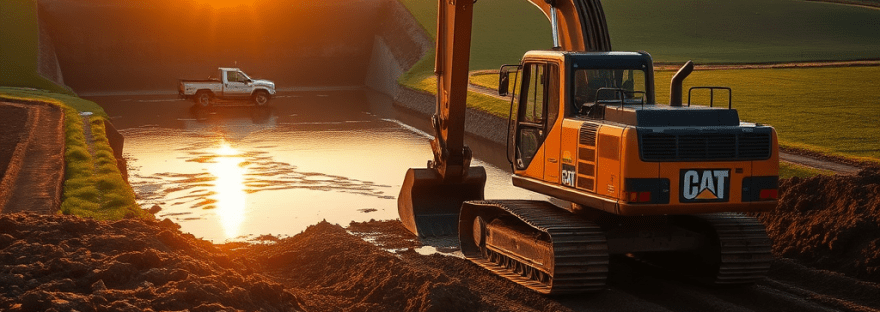
Constructing a dam can enhance water security, offer livestock watering and increase property value. Here are crucial factors to consider:

Site Selection

Choose a location that naturally collects water and has suitable soil for dam stability. Our team at Bransons Rural Services can help assess the best site.

Legal and Environmental Compliance

Ensure you have the necessary permits and consider environmental impacts. Some areas may also have fencing requirements around any body of water dependent on zoning regulations.

Design and Size

Tailor the dam’s design and size to its purpose—be it irrigation, livestock, or recreation. Good design ensures safety, longevity and functionality.

Water Source and Quality

Evaluate the reliability and quality of the water source.

Livestock Access

If the dam is for livestock, ensure the soil or infrastructure supports safe animal access to and exit from water.

Maintenance

Regular inspection and necessary maintenance is essential for longevity, including leak inspections and vegetation management. We provide ongoing support for dam upkeep if and when it is required.

Conclusion

Building a dam requires careful planning and expertise. At Bransons Rural Services, we’re here to guide you from planning to maintenance. Contact us to enhance your property with a well-constructed dam.

Why use a slasher instead of a forestry mulcher on your grass paddock?

When it comes to managing grass paddocks, we have several equipment options. While our forestry mulcher is great for some situations our slasher may be your preferred option

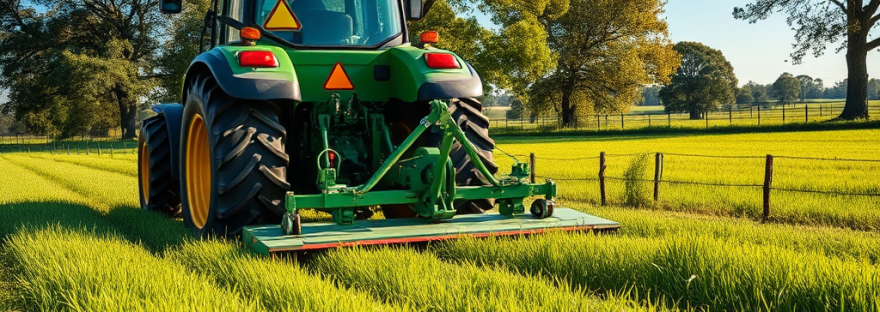
For straightforward grass cutting and regular upkeep, slashing offers simplicity and efficiency. It’s ideal for keeping paddocks neat and promoting even grass growth without the complexity of heavy-duty machinery.

Ideal for Regular Grass Maintenance

For regular paddock upkeep, slashers efficiently handle grass cutting without excessive mulching. They’re perfect for maintaining even, tidy paddocks and promoting uniform grass regrowth.

Excess grass is cut and can also be collected to utilise for regrowth of mulching of areas being either replanted or under regeneration.

Forestry mulching is more powerful, suitable for larger or more complex jobs. However, if you need regular maintenance with lower power requirements, slashing fits well, especially for smaller-scale operations.

Conclusion

Choosing between slashing and mulching depends on your specific needs—budget, simplicity, or comprehensive clearing. At Bransons Rural Services, we’re here to help you decide which option best suits your paddock management goals. Contact us to discuss your needs and find the perfect solution!

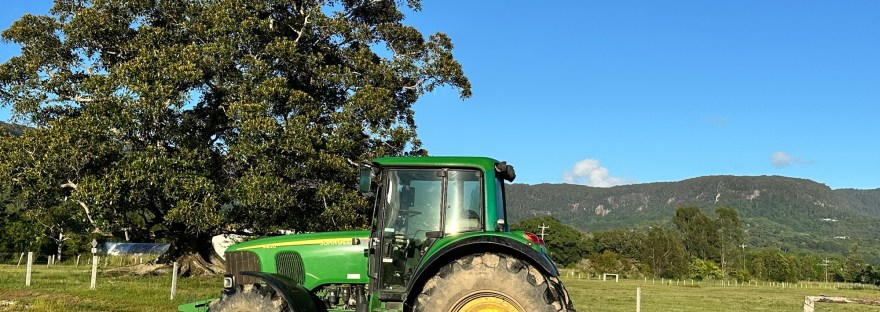
john-deere-tractor-slashing-paddock

Grass is always greener…

… and longer in the Northern Rivers yet is that a good thing?

Maintaining optimal grass length is crucial for livestock owners in the Northern Rivers and indeed other high rainfall, high humidity areas. It promotes better pasture management, and significantly impacts the health and well-being of your animals. Here’s why keeping grass short is important:

Preventing Skin Issues

Long grass can be a breeding ground for a variety of skin issues in livestock. When grasses grow too tall, they can harbor moisture and debris, leading to fungal infections and other skin irritations. Livestock, especially cattle, horses and sheep, are prone to conditions like qld itch, rainscald and foot rot/thrush issues when exposed to damp, overgrown pastures. Regular mowing helps ensure that grass remains drier and reduces the risk of these skin problems.

Reducing Tick Infestations

Ticks are a notorious pest in the Northern Rivers, thriving in long grass and posing a serious threat to livestock. They can transmit diseases such as tick fever, which can lead to severe health complications or even death. By keeping grass short, you significantly reduce the habitat for ticks, thus lowering the likelihood of infestations. Regular pasture management is a proactive step to protect your livestock from these dangerous parasites.

Enhancing Nutrition

Short grass is not only more palatable but also more nutritious for grazing animals. Overgrown grass tends to be fibrous and less digestible, which can lead to nutritional deficiencies. When grass is kept at an optimal length, it encourages the growth of new shoots, which are richer in essential nutrients and more appealing to livestock. This results in better overall health and productivity, whether it’s for weight maintenance, milk production, meat quality, or wool growth.

Conclusion

For livestock owners in the Northern Rivers, maintaining short grass is a fundamental practice that supports animal health and pasture productivity. By preventing skin issues, reducing tick infestations, and enhancing nutritional intake, you ensure a healthier and more efficient farming operation. Regular mowing and pasture management not only benefit your animals but also contribute to a more sustainable and profitable agricultural practice.

At Bransons Rural Services, we understand the unique challenges of managing pastures in our region. Contact us today for expert advice and services to keep your pastures in prime condition and your livestock thriving.

Considering upgrading your steel or timber fence posts?

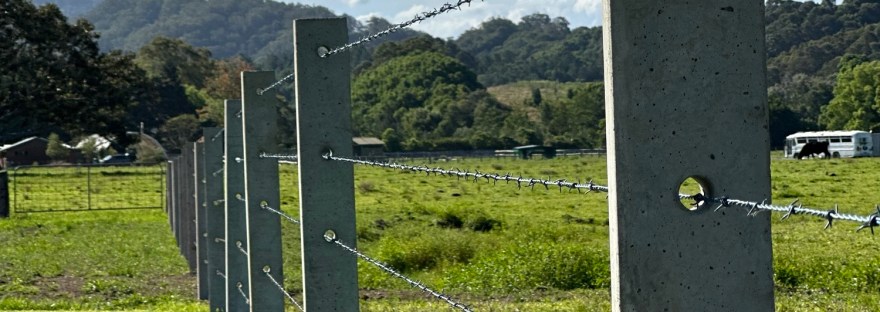
Have you considered the many benefits of concrete fence posts over timber or steel posts for rural properties

When it comes to fencing on rural properties, choosing the right material is crucial for longevity, durability, and maintenance. While timber and steel have their merits, concrete fence posts stand out for several compelling reasons.

1. Durability and Longevity

Concrete is known for its strength and resilience. Unlike timber, which can rot or be damaged by pests, or steel, which can rust over time, concrete fence posts are built to last. In high rain fall areas such as the Northern Rivers area often fences are sitting in damp or wet soil for many months. Concrete posts can better withstand harsh weather conditions, including high winds, heavy rains, and extreme temperatures, making them an ideal choice for rural settings.

2. Low Maintenance

One of the greatest advantages of concrete posts is their low maintenance requirements. Timber needs regular treatment to prevent decay, while steel may require rust-proof coatings. In contrast, concrete is virtually maintenance-free, allowing property owners to invest their time and resources elsewhere.

3. Cost-Effectiveness

While the initial investment in concrete posts may be higher than timber, their longevity and durability can lead to significant savings over time. Fewer repairs and replacements mean lower overall costs, making concrete a financially sound choice for rural fencing.

4. Stability and Strength

Concrete posts provide superior stability compared to timber or steel, especially in challenging terrains. They can support heavier fencing materials and are less likely to bend or break under stress. This strength ensures that your fencing remains intact and secure, protecting livestock and property.

5. Aesthetic Appeal

Concrete fence posts come in various designs and finishes, allowing property owners to choose options that complement their rural aesthetic. Whether you prefer a rustic look or a more modern finish, concrete can fit seamlessly into the landscape. Concrete posts can also easily be painted to either stand out or blend in with your property’s aesthetic.

6. Environmental Impact

Concrete is often made from locally sourced materials, which can reduce the carbon footprint associated with transportation. Additionally, concrete’s longevity means fewer resources are needed for repairs and replacements, contributing to a more sustainable approach to fencing.

Conclusion

For rural property owners looking to invest in fencing, concrete fence posts offer a range of benefits that timber and steel simply can’t match. From durability and low maintenance to cost-effectiveness and aesthetic versatility, concrete is a smart choice for anyone looking to enhance their property with reliable and attractive fencing.

Please fence me in !

Ensuring the integrity of your property’s boundaries, both internal and external is crucial for both security and peace of mind. That’s why our tip of the week focuses on essential fencing tips to help you maintain and improve your property’s fencing system.

Proper fencing not only defines your property lines but also provides security for your livestock, pets, and belongings. However, over time, fencing can deteriorate due to weather exposure, animal activity, and general wear and tear. That’s why regular inspection and maintenance are essential.

Start by walking the perimeter of your property and inspecting each section of fencing. Look for signs of damage such as loose posts, broken wires, or sagging sections. Address any issues promptly to prevent them from worsening and compromising the security of your property.

In addition to inspection, routine maintenance tasks such as clearing vegetation around fences and tightening loose wires or rails are essential for keeping your fencing in top condition. Investing in quality materials and construction from the outset can also extend the lifespan of your fencing and reduce the need for frequent repairs.

Whether you’re installing new fencing or maintaining existing ones, it’s essential to consider factors such as terrain, intended use, and local regulations. Consulting with fencing experts can help you make informed decisions and ensure that your fencing meets your specific needs.

Bransons Rural Services has the expertise and machinery to help with many types of fencing including star picket, concrete post, timber and a combination of the most suitable types for your requirements.

By following these essential fencing tips, you can safeguard your property, enhance its aesthetic appeal, and enjoy greater peace of mind knowing that your boundaries are secure.

Stay tuned for more valuable tips from Bransons Rural Services to help you make the most of your property!